
Do you want to get rid of those boggy and wrinkles underneath your eyes? When the laser, eye balm, and make up stop working, it is time to consider cosmetic lower eyelid surgery as an option.
With age, our skin loses elasticity and wrinkles start showing. The gravity pulls intra-orbital fat down and pushes against skin on the lower eyelid is responsible for the bulging..
This wrinkled, puffy, and baggy appearance of the lower eyelid can be corrected by lower eyelid surgery to restore the youthful and fresh looking.
The lower eyelid surgery is also known as eye bag surgery or lower blepharoplasty surgery. It is a surgical procedure for the correction of excess fat, skin, and wrinkles, in the lower eyelid area.
To make the lower eyelids appear more youthful and rejuvenated, an incision will be made underneath the lower eyelashes. Through this incision, excess skin and fat are removed to eliminate the puffy appearance that exists and to provide a taut, more attractive appearance. In some instances where only fat tissue needs to be removed, the incision can be placed inside the lower eyelid that will be virtually unnoticeable. After the desired look is achieved, the incisions are sutured.

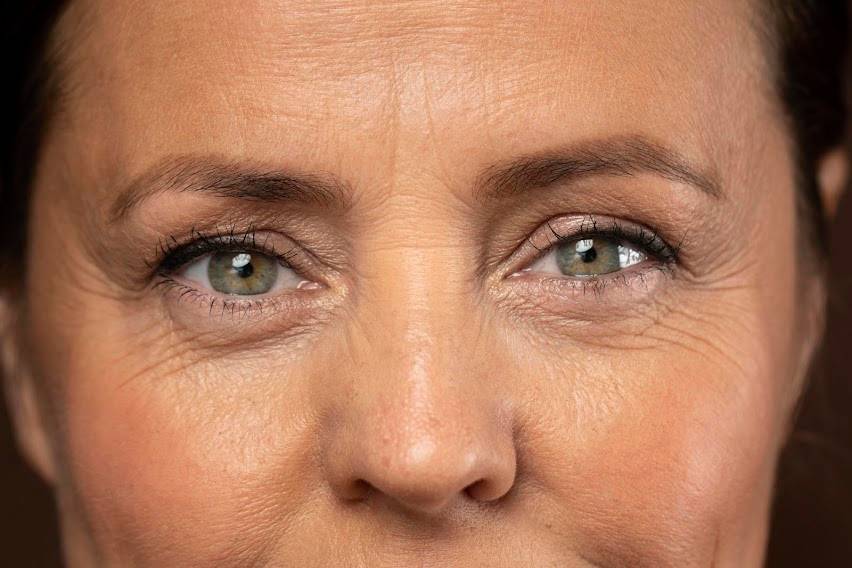
This surgery is basically done for cosmetic purposes by improving the sagging, bagging, or wrinkles of the lower eyelid.
It can help in treating the following:
Lower eyelid surgery is important for your youthful look. Choose an experienced cosmetic surgeon for this like Dr. Yuan. He is an experienced cosmetic surgeon working on lower eyelid fixing for many years now.
Make an appointment and then at your initial visit your detailed information such as your medical history, past or present health issues, and any medications, or allergies will be addressed.
Dr. Yuan will also do a detailed examination of your eyes and the area around your eyes. He will also evaluate the fat or excess skin around your eyes then do some tests if needed. After the detailed information and examination, it will be decided whether you are a candidate for this surgery or not.
You may also ask Dr. Yuan if there are any other specific preparations needed before your procedure. Once you are ready, schedule your procedure with Dr. Yuan. He will further give you instructions before surgery.

After the procedure, you will be monitored in the recovery room for any immediate issues. Mostly you can be discharged home on the same day in the late evening. You may experience the following but they will all be temporary.

There are risks involved in every invasive procedure. Potential risks of lower eyelid surgery may include:
Most of these risks and complications will spontaneously resolve over a short period of time. Follow up with Dr. Yuan at least up to three months.
Once you are being sent home you must follow the guidelines for your recovery as well as the medication schedule as advised by your surgeon. General guidelines may include:
The total cost for the surgical procedure is around $3500. This doesn’t include general anesthesia or IV sedation. You are welcome to contact us to check the seasonal promotion rate that can give you a good discount.

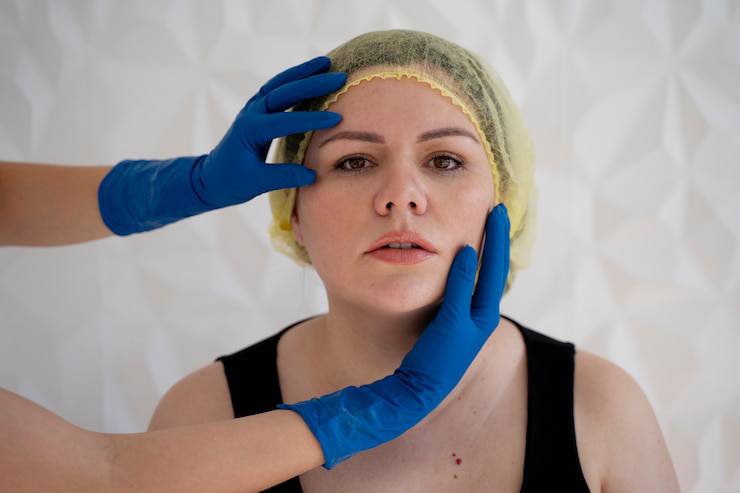
The pinch eyelid surgery was coined and popularized by Dr.Lorne Rosenfield. It is a surgical technique that only eliminates excess skin from the lower eyelids without removing fatty tissues or muscles that lie beneath. The amount of skin can be removed is judged by pinching the redundant skin together without causing scleral show. It could be done with transconjunctival fat removal for selective patients. During the consultation, Dr. Yuan will explain to you about the best plan for you.
Dr. Yuan has been performing lower eyelid surgery for over 20 years. He has helped many patients to achieve their goals of removing eye bags and restore youthful looking. He will discuss with you the right surgery for your condition. You can also click her to see our photos.


Copyright © 2023 Sean Yuan, MD | Cosmetic Websites by O360®
Copyright © 2021 Sean Yuan, MD | Cosmetic Websites by O360® | Privacy Policy | Terms of Use | Disclaimer | Web Accessibility Statement